

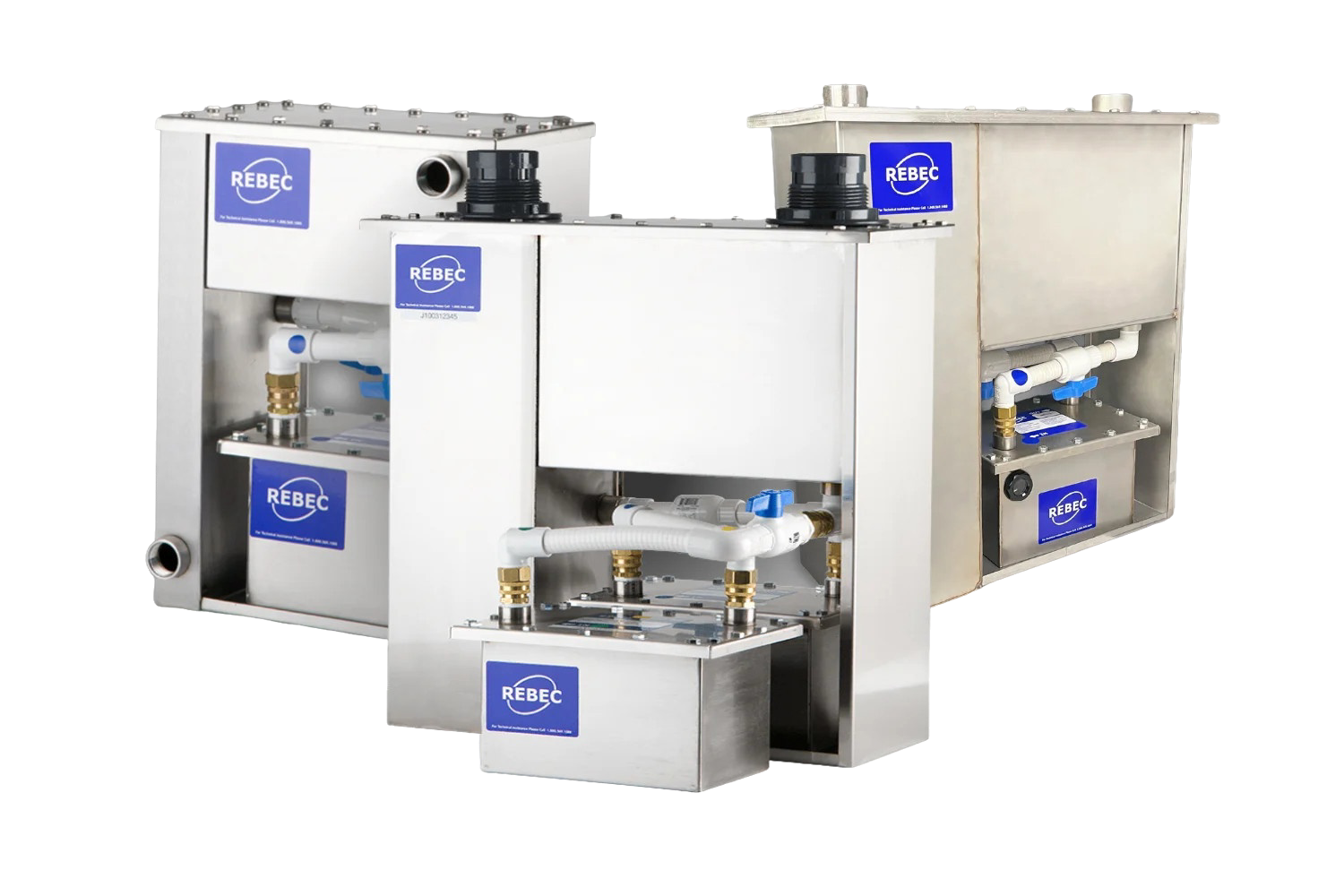
Most amalgam-separator buying guides sort units into a tidy chart and tell you the cheapest one wins. That’s exactly how practices end up with a unit that looks great on the invoice and becomes their biggest utility-room expense a year later. Choosing well isn’t about the day-one price — it’s about five things that determine what the separator costs you and does for you over its whole life. Here they are, in the order that matters.
1. Capacity — sized to your actual volume
Capacity is the first question and the one most people get wrong, because it’s invisible on a spec sheet until it bites.
A separator only works while it has room to collect. Match a small-capacity unit to a busy, multi-chair practice and it fills fast — which means frequent changes, a recurring bill, and stretches where the full unit isn’t separating efficiently. Match capacity to your real amalgam volume and the unit runs a full year between services.
So start here: how many chairs, how much restorative and amalgam-removal work, one office or several sharing a vacuum system? The honest sizing question isn’t "what’s the cheapest compliant unit" — it’s "what capacity does my practice’s volume actually need." Under-buy on capacity and you pay for it every few weeks forever.
2. Lifetime cost — not the sticker price
This is the number the cheap-unit math hides. Compare two separators over, say, five years, not one purchase order.
A low-cost plastic unit wins day one and loses every day after, because its small collector needs frequent cartridge changes — commonly $400–$500 per cartridge, which at a change every several weeks runs $800 or more a year, and into the thousands for a high-volume office. A larger stainless system costs more up front and then needs one collector change a year, which in a good service arrangement is included.
Run it forward and the lines cross quickly: stainless is more on day one and less every year after. We lay out the full stainless-vs-plastic cost case with the cartridge math practices actually see — it’s the single most useful thing to read before you decide.
3. Removal efficiency — measured, not adjectival
Every unit claims to be efficient. The ones worth buying can prove it against a standard.
Ask for the ISO 11143:2008 rating. That’s the international test standard the EPA rule points to, and it sets a floor of 95% removal — measured under both empty and full conditions, using a graded amalgam sample that includes the hard-to-catch fine particles. A unit rated 99% captures five times less escaping amalgam than one scraping by at 95%. Don’t accept "high efficiency" as an answer; ask for the number and the standard behind it. Here’s what the standard actually measures.
4. Durability — the material decides the lifespan
A dental practice pulls a powerful vacuum, and that vacuum is hard on equipment. This is where material choice quietly determines how long a unit lasts.
Plastic separators expand and contract under that vacuum cycle after cycle, and over time they can flex, crack, and fail — sometimes the whole unit. Stainless steel doesn’t flex or crack under the same load, which is why a stainless collector can be built larger (there’s your capacity advantage) and why it can carry a lifetime warranty at all. Durability isn’t a nice-to-have; it’s what makes the one-change-a-year model and the long-term cost savings possible in the first place.
5. The service behind it — equipment plus support
The last factor is the one buying guides ignore entirely: who handles the back end?
A separator captures mercury, but the captured mercury still has to be recycled and documented for compliance, and the collector still has to be changed. The best buying decision pairs the equipment with a service partner who owns that work — the annual collector change, the amalgam recycling, and the compliance paperwork — so it never becomes your staff’s problem. A cheap unit with no service behind it just relocates the burden to your team. Rebec’s model pairs the separator with Pristine’s annual service precisely so the equipment and the support are one system.
Putting it together
Here’s the decision, distilled:
- Size to your real volume first — capacity is what prevents the frequent-change trap.
- Compare lifetime cost, not the sticker — five years, cartridges included.
- Demand an ISO 11143:2008 efficiency rating of 95% or better; 99% is the mark.
- Choose a material that survives the vacuum — stainless for a unit meant to last.
- Buy the service, not just the box — recycling and compliance handled for you.
Score any separator against those five and the right choice usually gets obvious fast. Practices that weigh only day-one price tend to buy twice; practices that weigh lifetime cost, capacity, and durability tend to buy once.
If you’re replacing a unit that’s already filling too fast, our Swap & Save program is built for that switch. And if you’d rather skip the spreadsheet, tell us your chair count and how you’re set up — we’ll size the right unit to your practice and run your actual numbers.
Frequently asked questions
What’s the most important factor when choosing an amalgam separator?
Capacity matched to your volume. It drives everything else — how often you change it, what it costs over time, and whether it stays compliant between services.
Is a more expensive separator always better?
Not automatically — but the cheapest unit is usually the most expensive over time once cartridge changes are counted. Judge by five-year lifetime cost, not the purchase price.
Stainless or plastic — does it really matter?
Yes. Stainless resists the flex-and-crack failure plastic suffers under dental vacuum, allows a bigger collector, and can carry a lifetime warranty. The full comparison is here.
How do I know what size I need?
It comes down to chairs, amalgam workload, and whether offices share a vacuum system. Rather than guess, have it sized to your practice — an undersized unit is the most common and most expensive mistake.
Rebec Environmental
Manufacturer of stainless steel amalgam separators, ADA-endorsed since 1995. Written for dental practices navigating amalgam compliance.